Noodleagazine: Your Ultimate Guide To The World Of Noodles

Henry Morales
Published Sep 23, 2026
Noodleagazine is a delightful exploration into the fascinating universe of noodles, where culinary traditions meet modern innovations. As a hub for noodle enthusiasts, food lovers, and culinary explorers, Noodleagazine offers a plethora of information ranging from recipes, cooking techniques, to cultural insights surrounding this beloved food staple. Whether you are a seasoned chef or a home cook just starting your culinary journey, Noodleagazine has something for everyone.
In this comprehensive guide, we will delve into various aspects of noodles, including their rich history, types, preparation methods, and health benefits. We will also introduce you to some popular noodle dishes from around the world and share tips on how to experiment with noodles in your own kitchen. So, get ready to embark on a delicious adventure filled with flavors, textures, and culinary creativity!
Join us as we unravel the world of noodles and discover why they have captured the hearts and taste buds of people across the globe. From the delicate strands of pasta to the chewy textures of ramen, noodles are not just a meal; they are a cultural experience waiting to be savored.
Table of Contents
1. The History of Noodles
The origin of noodles can be traced back over 4,000 years to ancient China, where they were made from wheat and millet. Historical evidence suggests that the earliest known noodles were found in a bowl of noodles in Lajia, a site in northwestern China. As trade routes expanded, noodles began to spread to other parts of Asia and eventually to the Western world. This section will explore the evolution of noodles and their cultural significance across different regions.
The Spread of Noodles
Noodles made their way to Japan, Korea, and Southeast Asia, each country adapting the dish to its own culinary traditions. For example:
- Japan: Udon and soba noodles became staples in Japanese cuisine.
- Korea: Japchae and naengmyeon are popular Korean noodle dishes.
- Italy: Pasta, made from durum wheat, became a quintessential part of Italian cuisine.
2. Types of Noodles
There are countless varieties of noodles, each offering unique flavors and textures. This section will provide an overview of some of the most popular types of noodles used in various cuisines.
Wheat Noodles
Wheat-based noodles are common in many cultures, including:
- Spaghetti: A long, thin Italian pasta often served with a variety of sauces.
- Udon: Thick, chewy noodles used in Japanese soups.
- Fettuccine: Flat, thick pasta commonly used in creamy dishes like Alfredo.
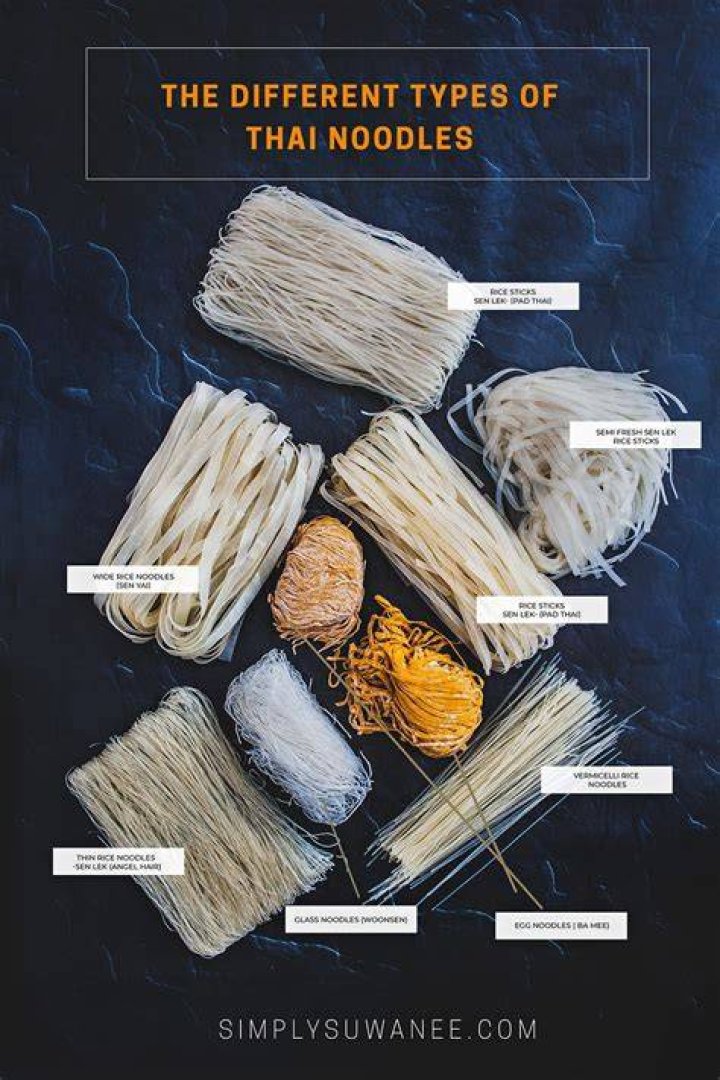
Rice Noodles
Rice noodles are gluten-free and widely used in Asian cuisines:
- Pad Thai: A famous Thai dish made with stir-fried rice noodles.
- Bun: Vietnamese rice vermicelli used in salads and soups.
Egg Noodles
These noodles are enriched with egg, providing a rich flavor and smooth texture:
- Egg Noodles: Commonly used in dishes like chicken noodle soup.
- Chow Mein: Stir-fried egg noodles popular in Chinese cuisine.
3. Preparation Methods for Noodles
Cooking noodles may seem simple, but there are various techniques that can enhance their flavor and texture. Here are some essential preparation methods:
Boiling
Most noodles are boiled in salted water until they reach the desired doneness. It’s important to follow the cooking time specified on the package for optimal results.
Stir-Frying
A popular method in Asian cuisines, stir-frying involves cooking noodles quickly in a hot pan with a small amount of oil and various ingredients.
4. Popular Noodle Dishes Around the World
Noodles are featured in numerous dishes around the globe. Here are some noteworthy examples:
Italian Dishes
- Spaghetti Bolognese: A classic Italian dish featuring a rich meat sauce.
- Lasagna: Layered pasta baked with cheese, sauce, and meat or vegetables.
Asian Dishes
- Ramen: A Japanese noodle soup that has gained worldwide popularity.
- Pho: A Vietnamese soup made with rice noodles, herbs, and meat.
5. Health Benefits of Noodles
Noodles can be part of a healthy diet when consumed in moderation. Here are some potential health benefits:
- Energy Source: Noodles provide carbohydrates which are essential for energy.
- Versatile Nutrients: When combined with vegetables and proteins, noodles can contribute to a balanced meal.
- Low in Fat: Many noodle dishes can be prepared with minimal fat, making them a lighter option.
6. Tips for Cooking Perfect Noodles
To ensure your noodles turn out perfectly every time, consider the following tips:
- Use plenty of water to prevent sticking.
- Add salt to the water for flavor.
- Don’t overcook; noodles should be al dente.
7. Experimenting with Noodles in Your Kitchen
Cooking with noodles is an excellent opportunity to get creative. Here are some ideas for experimenting in your kitchen:
- Try different sauces and toppings.
- Mix various types of noodles for texture.
- Incorporate seasonal vegetables and proteins for a nutritious meal.
8. Conclusion and Final Thoughts
In conclusion, Noodleagazine serves as a comprehensive resource for anyone interested in the culinary arts of noodles. From exploring their rich history to learning about different types and dishes, we hope this guide has inspired you to experiment with noodles in your own cooking.
We invite you to share your thoughts, leave comments, or explore more articles on our site. Join the noodle community and let’s celebrate the love for noodles together!
Thank you for visiting Noodleagazine, and we look forward to seeing you again for more delicious content!
Camila OnlyFans Video: Unveiling The Allure Behind Exclusive Content
Exploring OnlyLeaks: The New Frontier Of Online Privacy
Shubhashree Sahu Video: A Deep Dive Into Her Journey And Impact