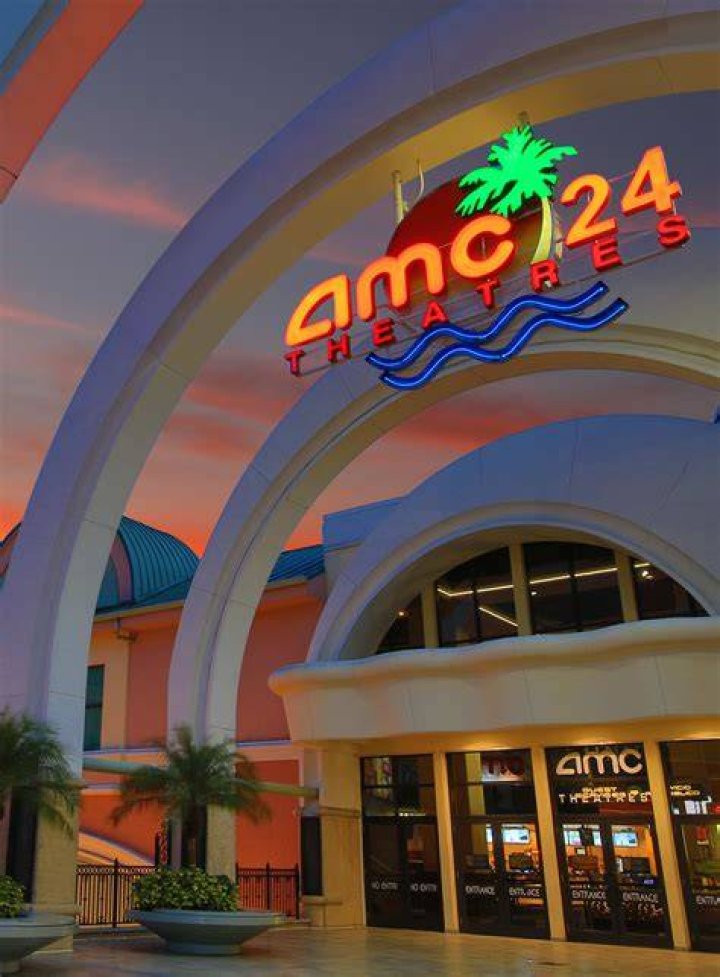
Movies Rulz: The Ultimate Guide To Cinematic Masterpieces

Matthew Cannon
Published Oct 07, 2026
Movies rulz is a phrase that resonates with countless film enthusiasts around the globe. The magic of cinema has the power to transport us to different worlds, evoke emotions, and tell stories that linger long after the credits roll. In this comprehensive guide, we will explore the captivating realm of movies, diving into various genres, iconic films, and the influential figures behind the camera. Whether you're a casual viewer or a die-hard cinephile, this article is designed to enrich your understanding and appreciation of the art of filmmaking.
The film industry has evolved significantly over the decades, with new technologies and storytelling techniques emerging to enhance the viewer's experience. From the silent film era to the rise of CGI, cinema has undergone a remarkable transformation. Today, movies are not just a source of entertainment; they also serve as a reflection of society, culture, and human emotions. This article aims to cover everything you need to know about movies, including their history, significance, and the factors that contribute to their success.
As we journey through the world of movies, we will discuss various aspects such as genres, box office hits, influential directors, and the impact of film festivals. Additionally, we will delve into the importance of storytelling and how it shapes our understanding of the world around us. So grab your popcorn, sit back, and let's dive into the captivating universe of movies!
Table of Contents
1. The History of Cinema
The journey of cinema began in the late 19th century with the invention of motion picture technology. The Lumière brothers, in 1895, held the first public screening of films, marking the birth of modern cinema. Over the years, various innovations such as sound, color, and special effects have revolutionized the film industry. Here are some key milestones in the history of cinema:
- 1890s: The birth of motion pictures with short films.
- 1920s: The introduction of sound with "talkies."
- 1930s: The Golden Age of Hollywood, featuring iconic films and stars.
- 1960s-70s: The rise of independent cinema and experimental films.
- 2000s: The digital revolution, leading to new distribution methods and technologies.
2. Exploring Popular Movie Genres
Movies can be categorized into various genres, each with its own unique characteristics and appeal. Understanding these genres can help viewers choose films that resonate with their interests. Here are some of the most popular movie genres:
- Action: Fast-paced films featuring physical feats and stunts.
- Drama: Character-driven stories that explore emotional themes.
- Comedy: Light-hearted films designed to entertain and amuse.
- Horror: Movies that evoke fear and suspense through thrilling narratives.
- Science Fiction: Films that explore futuristic concepts and technology.
Subgenres of Action Movies
Action movies often encompass various subgenres, including:
- Superhero: Films centered around comic book characters with extraordinary abilities.
- Martial Arts: Focused on hand-to-hand combat and intricate choreography.
- Adventure: Incorporating elements of exploration and discovery.
3. Iconic Films That Shaped Cinema
Throughout cinematic history, certain films have left an indelible mark on the industry and culture. Here are some iconic films that every movie buff should watch:
- Citizen Kane (1941): A groundbreaking film known for its innovative storytelling and cinematography.
- The Godfather (1972): A classic crime drama that redefined the gangster genre.
- Star Wars (1977): A sci-fi epic that revolutionized special effects and franchise filmmaking.
- Pulp Fiction (1994): A cult classic known for its nonlinear narrative and sharp dialogue.
- Parasite (2019): A South Korean film that won the Academy Award for Best Picture, highlighting class struggles.
4. Legendary Directors and Their Influence
The vision of a film often lies in the hands of its director. Here are some legendary directors who have significantly influenced the film industry:
- Steven Spielberg: Known for his versatility and blockbuster hits, including "Jaws" and "E.T."
- Martin Scorsese: Renowned for his crime dramas such as "Goodfellas" and "Taxi Driver."
- Alfred Hitchcock: The master of suspense, known for classics like "Psycho" and "Rear Window."
- Quentin Tarantino: Celebrated for his unique storytelling style and dialogue-driven films.
- Greta Gerwig: An emerging voice in cinema, known for "Lady Bird" and "Little Women."
5. The Box Office: Understanding Success
The box office is a critical indicator of a film's success. It reflects how well a movie performs financially and can influence future projects. Factors that contribute to box office success include:
- Marketing: Effective promotion can significantly boost a film's visibility.
- Star Power: A-list actors can attract audiences and increase ticket sales.
- Reviews: Positive critical reception can enhance a film's reputation and draw in viewers.
- Timing: Releasing a film during peak seasons or holidays can maximize its audience.
6. The Role of Film Festivals
Film festivals play a vital role in the cinematic landscape by showcasing new films, promoting independent filmmakers, and providing a platform for industry networking. Notable film festivals include:
- Cannes Film Festival: One of the most prestigious festivals, known for its glamour and elite selection.
- Sundance Film Festival: A key platform for independent films and emerging talent.
- Toronto International Film Festival: A major festival that often serves as a launchpad for Oscar contenders.
7. The Art of Storytelling in Film
At the heart of every great movie lies a compelling story. Effective storytelling involves elements such as character development, conflict, and resolution. Here are some key components of storytelling in film:
- Character Development: Creating relatable and complex characters that resonate with the audience.
- Conflict: Introducing challenges that drive the narrative and engage viewers.
- Resolution: Providing a satisfying conclusion that ties up loose ends.
8. The Future of Movies
The future of cinema is an exciting prospect, with advancements in technology and changing audience preferences shaping the industry. Trends to watch for include:
- Streaming Services: The rise of platforms like Netflix and Disney+ is transforming how films are distributed and consumed.
- Diversity in Storytelling: An increasing demand for diverse narratives and representation in film.
- Virtual Reality: Innovations in VR technology may revolutionize the way audiences experience films.
Conclusion
In conclusion, movies rulz not just as a form of entertainment but also as a powerful medium for storytelling that reflects our culture and society. We have explored the rich history of cinema, the various genres, iconic films, legendary directors
Freddie And Bertie Highmore: A Journey Through The Lives Of The Talented Brothers
Exploring The Life And Career Of Alex Roe: A Rising Star In Hollywood
Keith Urban's Brother: Unraveling The Family Ties