MMS Video: Everything You Need To Know About Multimedia Messaging Service Videos

Owen Barnes
Published Oct 07, 2026
MMS video has revolutionized the way we share multimedia content through our mobile devices, allowing users to send and receive videos seamlessly. As mobile technology continues to evolve, understanding how MMS video works and its benefits is essential for both casual users and businesses alike. In this comprehensive guide, we will explore the ins and outs of MMS video, its applications, and how it stands out in the realm of digital communication.
The rise of smartphones has made multimedia messaging an integral part of our communication toolkit. MMS, or Multimedia Messaging Service, enables users to send not just text but also images, audio, and video files. This article will delve into the mechanics of MMS video, its advantages over other messaging formats, and practical tips for optimizing its use. From personal messaging to marketing strategies, the versatility of MMS video is worth exploring.
As we navigate through the intricacies of MMS video, we will provide valuable insights backed by credible sources and data. Whether you're a tech enthusiast or a business owner looking to enhance your communication strategies, this article aims to equip you with the knowledge you need to leverage MMS video effectively.
Table of Contents
What is MMS Video?
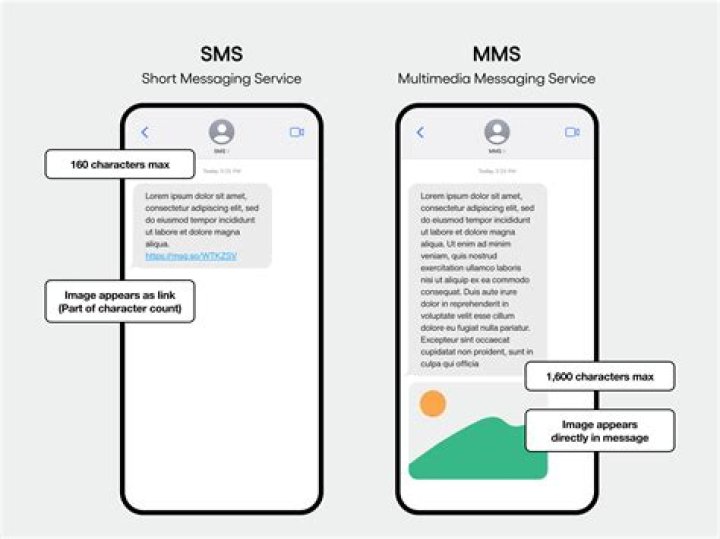
MMS video refers to short video clips sent via the Multimedia Messaging Service, which is an extension of the traditional SMS (Short Message Service). Unlike SMS, which is limited to plain text, MMS allows users to enhance their messages with rich media content.
MMS videos can vary in length and quality, but they typically range from a few seconds to a couple of minutes. This feature makes it an ideal choice for sharing quick moments or promotional content. Additionally, MMS video supports a variety of video formats, ensuring compatibility with most mobile devices.
Key Features of MMS Video
- Supports various video formats (MP4, AVI, etc.)
- Allows for video clips up to 1-2 MB in size
- Compatible with both Android and iOS devices
- Enables easy sharing of multimedia content
How MMS Works
The process of sending and receiving MMS videos is straightforward. When a user sends an MMS video, the message is transmitted via the mobile network rather than traditional SMS protocols. This allows for larger file sizes and richer content.
Here’s a step-by-step breakdown of how MMS video works:
- The user selects the video file they wish to send.
- The video is uploaded to an MMS server.
- The server generates a message that includes the video link and sends it to the recipient's device.
- The recipient receives a notification and can download the video directly to their device.
Benefits of MMS Video
MMS video provides numerous benefits that enhance the user experience, both in personal communication and business applications. Here are some of the key advantages:
- Rich Communication: MMS video allows for a more engaging way to communicate, making messages more memorable.
- Quick Sharing: Users can easily share moments or information without the need for third-party apps.
- Improved Marketing: Businesses can leverage MMS video for promotions, showcasing products in an appealing manner.
- Widespread Compatibility: Almost all mobile devices support MMS, making it accessible to a broad audience.
MMS Video vs Other Formats
When comparing MMS video to other messaging formats, it's essential to recognize its unique strengths and weaknesses:
MMS Video vs. SMS
- MMS supports multimedia content, while SMS is limited to text only.
- MMS can handle larger file sizes, while SMS has strict character limits.
MMS Video vs. Instant Messaging Apps
- Instant messaging apps often require an internet connection, while MMS works over mobile networks.
- MMS does not require the recipient to have a specific app installed.
Best Practices for Sending MMS Videos
To maximize the effectiveness of MMS video, consider these best practices:
- Optimize Video Size: Ensure your video file is within the acceptable size limit (usually 1-2 MB).
- Use High-Quality Content: Invest in good video quality to enhance viewer engagement.
- Include a Call to Action: Encourage recipients to take action after viewing the video.
MMS Video in Marketing
Businesses are increasingly adopting MMS video as part of their marketing strategies. Here’s how it can be beneficial:
- Enhanced Engagement: Videos can capture attention and convey messages more effectively than static images.
- Personalized Communication: Brands can send targeted messages to specific audience segments.
- Higher Conversion Rates: Including videos in marketing campaigns can lead to increased sales and customer engagement.
The Future of MMS Video
As technology continues to advance, the future of MMS video looks promising. We can expect improvements in video quality, file sizes, and integration with other communication platforms. Additionally, as 5G technology becomes more widespread, the efficiency and capabilities of sending MMS videos will likely increase, paving the way for even richer multimedia experiences.
Conclusion
MMS video is a powerful tool that enhances communication, offering a rich medium for personal and business interactions. By understanding its functionality, benefits, and best practices, users can effectively leverage MMS video to improve their messaging strategies. Whether you’re sharing a cherished memory or promoting a new product, integrating MMS video into your communication toolkit can lead to more impactful connections.
We invite you to share your thoughts on MMS video and how it has impacted your communication experiences. Feel free to leave a comment below, and don't forget to explore our other articles for more insights!
Thank you for reading! We hope to see you again soon for more informative content.
Leaked Video Websites: A Deep Dive Into The Hidden World Of Online Content
Viral Punjabi Videos: The Phenomenon Taking Over Social Media
Viral MMS Link 2024: What You Need To Know